
About the project
Creative response
as a physical characteristic of life
"We are each other's dynamic environments", Skúli Skúlason and Ole Martin Sandberg state in philosophical and biological reflections on the creativity of all life. They define "creative responses" as a fundamental characteristic of life: organisms perceive signals and changes in their environment and respond creatively—forming new behavioral patterns that support self-maintenance and continued evolution. The signals received require interpretation, and interpretation calls for decision-making. Uncertainty and crises of various kinds are thus a turning point that requires creativity. However,the processes of life do not only take place in individual organisms, but also in ecosystems, large and small, and involve diverse relationships.The individual and the environment are thus interconnected systems rather than separate entities.
According this philosophy, art is also a process: an active response and interpretation that opens up possibilities for action, deepens thought, and enhances agency.

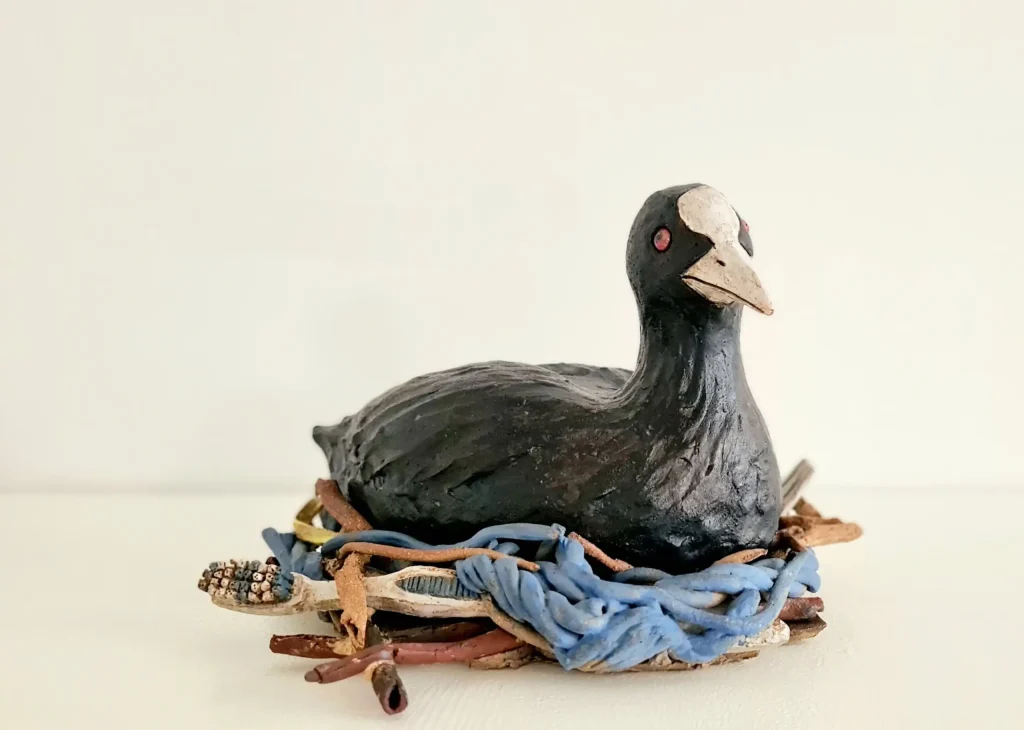
Creative Responses to Environmental Threats
Response / Creative Responses is a Nordic collaboration of scholars, artists, and activists that focuses on artistic expression — literature, visual art, music, film, and other creative acts — as part of a vital response to environmental transformations such as climate change and the decline of biodiversity.
The project weaves together academic publishing, art exhibitions, artist residencies, and symposia, guided by an ecocentric worldview and emphasizing interaction, adaptation, diversity, and shared responsibility.
Academic publication
Creative Responses to Environmental Crises and Aesthetics in Nordic Art and Literature (Lexington Books, 2025) provides a comprehensive overview of artistic responses to environmental crises in Sweden, Norway, Denmark, Finland, Iceland, and the Faroe Islands. The chapters cover literature, publishing, visual arts, and film, and reflect the multilayered interplay of the local, regional, and global in art and activism.
The publication connects theory and visual art with works by Angela Snæfellsjökuls Rawlings, Þórdís Aðalsteinsdóttir, and Hildur Hákonardóttir.
Editors: Katarina Leppänen and Auður Aðalsteinsdóttir.
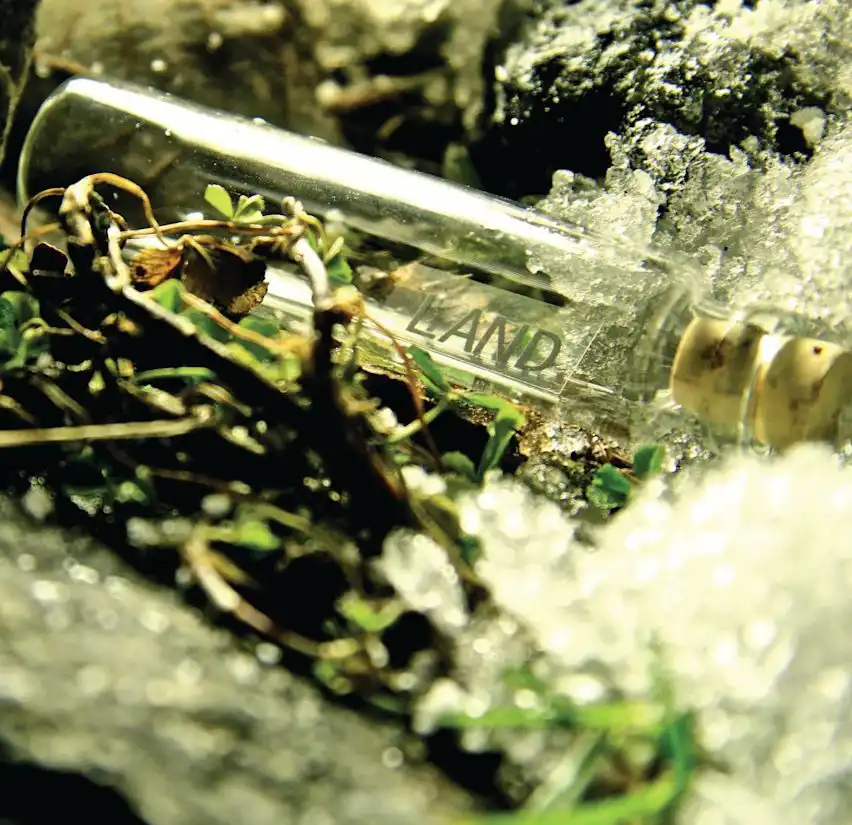
EXHIBITIONS
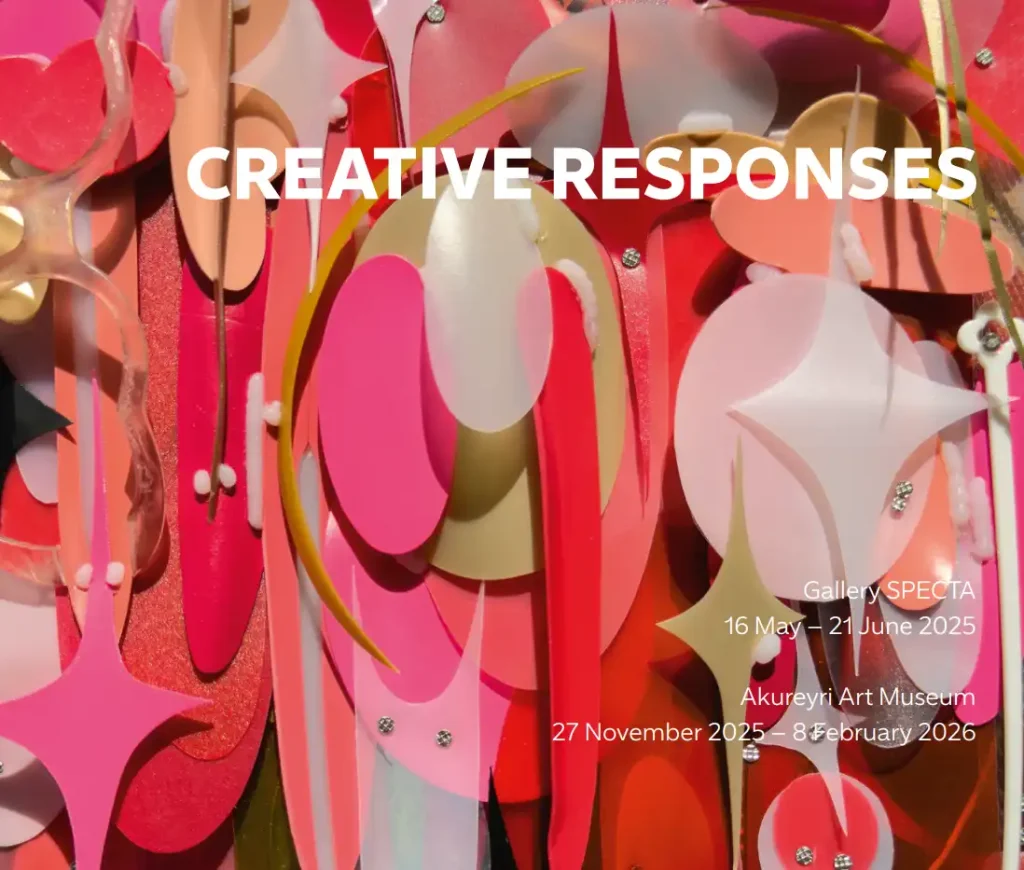
VIÐBRAGÐ / CREATIVE RESPONSES
Gallery SPECTA, Copenhagen: May 16 – June 21, 2025
Art Museum of Akureyri: November 27, 2025 – February 8, 2026
The exhibitions focus on creative responses as a fundamental characteristic of life, from an ecocentric perspective. The works on display explore transformations and the blurred boundaries between the inner and outer, nature and culture. Various types of relationships are in focus, including interactions that span a wide spectrum, from abuse of power and injustice to care and responsibility, as well as emotional responses ranging from eco-grief and anxiety to hope and creativity.
Curators:Auður Aðalsteinsdóttir and Þórdís Aðalsteinsdóttir.
Interplay of the local and the global
The project reflects the interplay between the regional and the global in environmental art and activism. Each event and publication involves transformations, new participants, and adaptation to the local environment, in the spirit of ecocentric thought. The diverse cultural backgrounds of the participants are reflected in their works and contributions, but the main focus is on the various connections between them and their shared global challenges.
Open collaboration and dialogue
Social participation and responsibility: A network of people interested in environmental art and activism provides an opportunity to combine efforts and have a greater impact.
Symposiums and events: Artists, scholars, activists, and the general public are brought together in symposiums and other informal events and encouraged to converse with one another.
Guest studios: Visiting artists are invited to work on environmental art under the project's banner, in collaboration and dialogue with local residents and students in schools in the Mývatn area.
Activism: The project involves research and participation in creative environmental actions in a broad sense.
Conferences and journals: Discussions also take place in the forums of academic conferences and journals where research findings are presented.
Goals
Solidarity and dialogue in an open and supportive environment provides an opportunity to reflect on environmental problem and empowers creative action.
The complex and important role of art, literature, and other creative activities is the focus of study.
New ideas, theories, and experiments in environmental art and ecocriticism are presented and developed.
New interdisciplinary connections are formed and strengthened.
New events, art, and ideas are encouraged.
The guiding principle is the belief that all actions have an impact.
Partners
Contact person
Auður Aðalsteinsdóttir
audurada@hi.is